
Outside Mount Blinds: How to Install Blinds Outside the Window Frame
By BlindsterUpdated
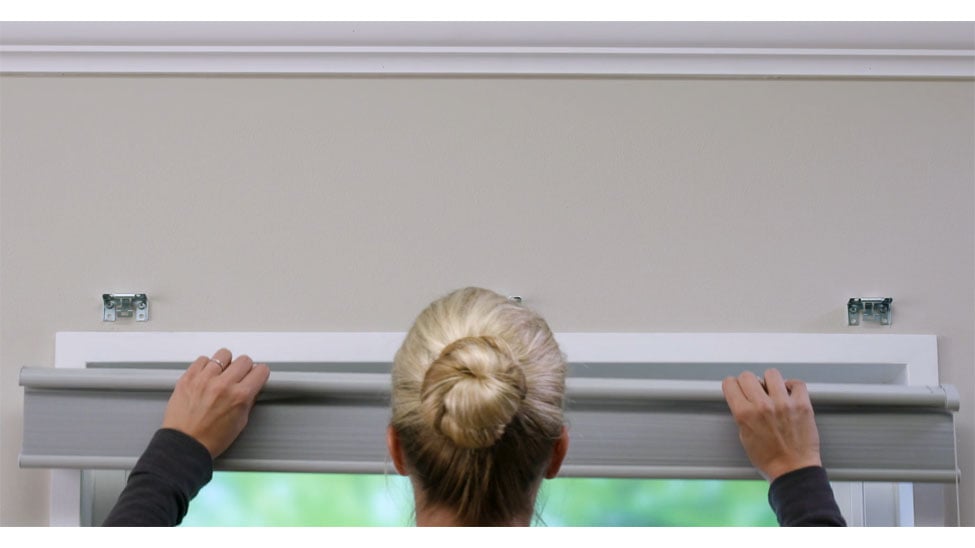
Installing blinds outside the window frame is a practical and stylish choice for many homeowners. Outside-mounted blinds offer a versatile solution; whether you want to enhance the room’s aesthetics, block out more light, or accommodate non-standard window sizes, This guide from Blindster will walk you through the benefits, types of blinds, necessary tools, and a step-by-step installation process to help you achieve a professional-looking result.
Why Install Blinds Outside the Window Frame?
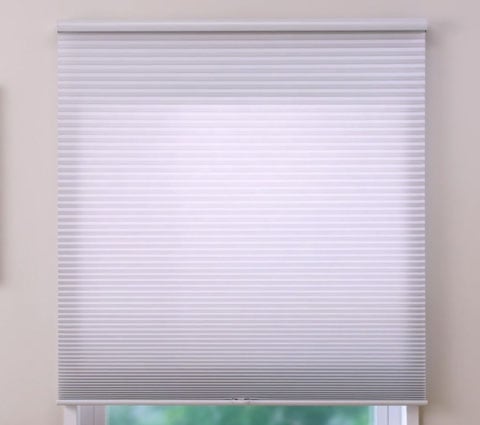
Outside-mount blinds provide several advantages, making them a preferred option for many spaces. Here are some key benefits:
Enhances Room Aesthetics
Blinds mounted outside the window frame create a more seamless and polished appearance. They can make windows appear larger or more prominent and contribute to a refined look that complements different interior styles.
Provides Better Light Blockage
Since outside-mounted blinds extend beyond the window edges, they reduce light gaps and provide superior room-darkening capabilities. This is especially beneficial for bedrooms, media rooms, and offices where minimizing sunlight is essential.
Offers Installation Flexibility for Non-Standard Windows
If your windows are not a standard size or have obstructions like handles or cranks, outside-mounted blinds offer a more adaptable solution. They can be customized to fit nearly any window shape without interfering with functionality.
Types of Blinds and Shades for Outside Mount Installation
Different types of blinds can be installed outside the window frame, each offering unique features and aesthetics. For patios, porches, and other exterior living areas, outdoor blinds are specifically designed to withstand the elements while providing shade, privacy, and improved comfort.
Roller Blinds for Simplicity and Modern Look
Roller blinds are a popular choice due to their sleek, minimalistic design. They roll up neatly, making them ideal for modern and contemporary spaces.
Roman Blinds for Decorative Soft Fabric Folds
With their soft fabric folds, Roman blinds add a more decorative touch. They add warmth and elegance to a room while offering effective light control.
Venetian and Horizontal Blinds for Adjustable Light Control
Venetian blinds are the general term for horizontal slat blinds, which at Blindster means faux wood blinds, wood blinds, and aluminum mini blinds. Their tilting slats give you precise control over light and privacy, which an outside mount improves further by covering the gaps along the frame edges.
Cellular Shades for Insulation and Clean Lines
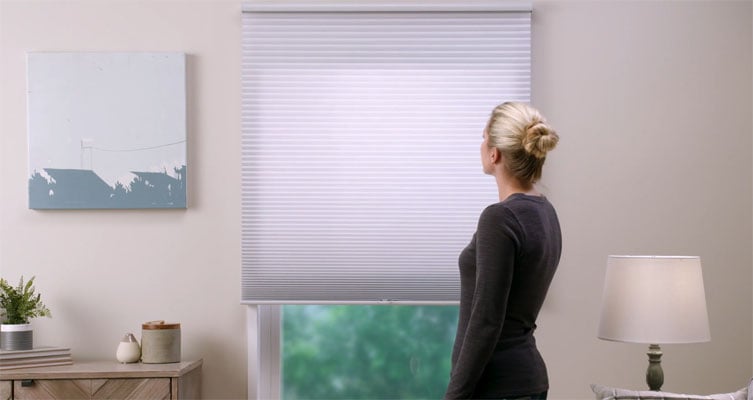
Cellular shades use honeycomb pockets that trap air to insulate the window, so an outside mount that overlaps the frame reduces the air gap at the edges and improves that thermal performance. They also stack compactly and suit almost any decor.
Tools and Materials Needed
Before starting the installation, gather the necessary tools and materials:
- Measuring tape
- Pencil or marker
- Drill and drill bits
- Screwdriver
- Level
- Mounting brackets and screws
Measuring for Outside Mount Blinds
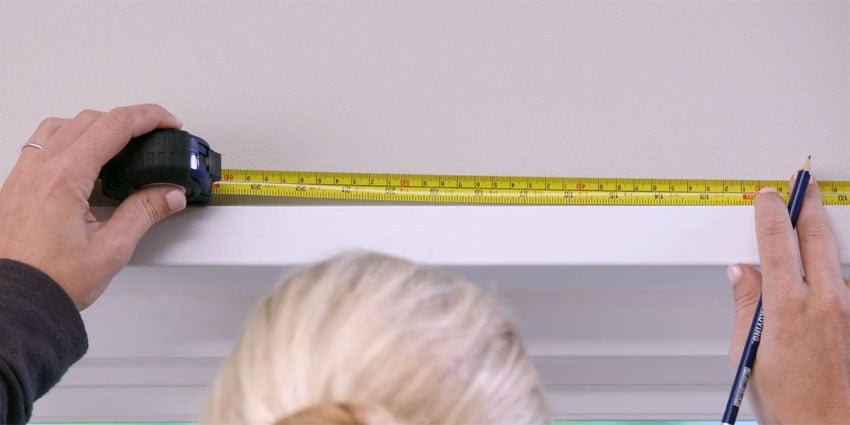
Accurate measurements are key to ensuring a perfect fit. Follow these steps:
- Measure the width of the area you want to cover, ensuring it extends beyond the window frame for optimal light control.
- Measure the height from the top of the mounting area to the desired length of the blinds.
- Double-check all measurements before purchasing blinds to avoid installation issues.
For the best light blocking, plan to extend the blind at least two inches beyond the opening on each side and mount the headrail two to three inches above the frame. That overlap is what closes the light gaps an inside mount leaves behind.
How to Install Outside Mount Blinds Over Window Trim
Most windows have trim or molding around them, and mounting over it is straightforward once you account for a few details. Start with bracket clearance, since the brackets need a flat surface deep enough to sit flush. If your trim is narrow, textured, or heavily contoured, mount the brackets on the flat wall above the trim rather than on the molding itself so they sit level and secure.
Mounting position comes next. Position the headrail high enough that the raised blind clears the glass, usually two to three inches above the top of the frame, which also makes the window look taller. Center the assembly so the overlap is even on both sides.
For screw placement, drive into the trim or into a wall stud wherever possible, since both hold far better than drywall alone. When you have to mount into drywall, use anchors rated for the weight of your treatment, and keep in mind that wide or heavy blinds need anchors at every bracket rather than just the ends. Finally, confirm your blind extends past the trim on each side so light cannot spill around the edges, and add a center support bracket on wider blinds to prevent sagging.
Step-by-Step Installation Process
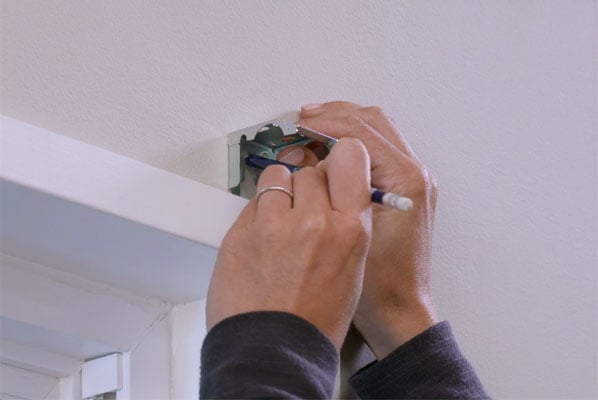
Installing outside-mounted blinds is straightforward if you follow these steps carefully:
Mark the Bracket Positions Accurately
Mark the locations where the brackets will be mounted using a pencil. Ensure they are level and evenly spaced for a balanced installation.
Drill Holes for Brackets
Drill pilot holes at the marked positions to secure the brackets more easily. This will also prevent damage to the wall or mounting surface.
Secure the Brackets with Screws
Align the brackets with the drilled holes and fasten them using screws. Make sure they are firmly attached to support the weight of the blinds.
Hang the Blinds on the Brackets
Once the brackets are in place, carefully hang the blinds onto them according to the manufacturer’s instructions. Test the blinds to ensure they function smoothly.
Outside Mount Installation by Blind Type
The general process is the same across products, but each type has a detail or two worth knowing before you start. The notes below cover what changes from one treatment to the next.
Roller shades mount on end brackets that hold the tube, so getting them perfectly level matters more than with other types, since a tilted tube makes the fabric track sideways as it rolls. Check the level twice before drilling. Venetian and horizontal blinds use box brackets that the headrail snaps into, and on any blind wider than about 36 inches you should add a center support bracket to stop the headrail bowing. Roman shades carry their weight in the fabric stack, so mount into trim or a stud where you can and leave enough height above the frame for the folds to gather without covering the glass. Cellular shades are the lightest of the group and often use small clip brackets, so the priority is even spacing and enough overlap at the sides to preserve their insulating benefit.
Tips for a Successful Installation
- Use a level to keep the blinds straight and properly aligned.
- Double-check your measurements before drilling to avoid placement mistakes.
- If mounting on drywall, use anchors to reinforce the brackets for better stability.
- Ensure the blinds are fully operational before completing the installation.
Maintaining and Cleaning Your Blinds
- Regular maintenance helps keep your blinds in excellent condition:
- Dust the blinds weekly using a microfiber cloth or duster.
- Wipe with a damp cloth or use a vacuum with a brush attachment for deeper cleaning.
- Avoid harsh chemicals that may damage fabric or finishes.
Troubleshooting Common Issues
- If you experience any problems with your blinds, consider these solutions:
- Blinds won’t stay in place: Check if the brackets are correctly secured and tightened.
- Blinds are uneven: Reposition the brackets or adjust the blind placement.
- Difficulty raising or lowering blinds: Ensure there are no obstructions and the mechanism functions smoothly.
Following this guide, you can install outside-mounted blinds to enhance your space while ensuring functionality and style.
Getting the Right Fit From the Start
An outside mount only performs as well as its measurements allow, which is why ordering to your exact dimensions matters so much here. Our product-specific measuring instructions and installation instructions walk through the process in detail, and every Blindster order is custom-made and backed by the Fit or Free Guarantee. You can also order up to ten free samples to compare materials before you commit.
Frequently Asked Questions
Can you hang blinds outside the window frame?
Yes. Mounting blinds outside the frame is a standard installation method and is often the better choice, since it blocks more light, hides a frame that is out of square, and works on shallow openings that cannot fit an inside mount. Plan for at least two inches of overlap on each side.
How do you install Venetian blinds as an outside mount?
Venetian and other horizontal blinds mount on box brackets fixed to the wall or trim above the window. Mark and level the bracket positions, drill pilot holes, secure the brackets, then snap the headrail in and close the covers. On blinds wider than about 36 inches, add a center support bracket to prevent the headrail from sagging.
Do cordless blinds install differently on an outside mount?
The bracket installation is the same. The difference is in operation, since cordless blinds are raised and lowered by hand at the bottom rail, so mount the headrail at a height you can comfortably reach. For very tall windows, a motorized option is usually the more practical choice.