
How to Layer Window Treatments for a Lived-in, Designed Look
By BlindsterUpdated
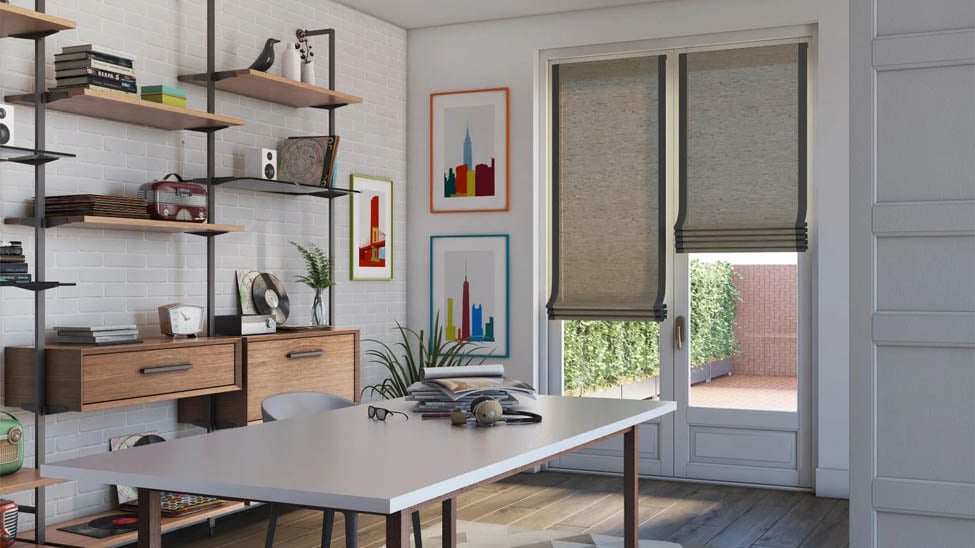
The layered, lived-in aesthetic keeps showing up in design feeds for a simple reason: it looks like someone actually lives there. Not staged, not stiff, just comfortable. Most people chase this look through throw pillows and vintage rugs, but window shades play a larger role than you might expect.
The right layered window treatments add texture, soften the light, and tie a room together without announcing that you tried very hard to make it happen. That is the whole point of the lived-in look, and it starts at the window.
What the Lived-in Aesthetic Actually Asks of Your Windows
The lived-in look is the opposite of a showroom. It is layered textures, mixed materials, and things that feel collected over time rather than purchased all at once. Think linen next to leather, a handwoven basket on a sleek console, or curtains that puddle just slightly on the floor. Bare windows make a room feel unfinished. Harsh blinds can push a space toward utilitarian. The right window shades add softness and visual weight without taking over the room, and they do it by bringing in texture, natural light control, and a sense of intentional warmth.
Textures That Carry the Aesthetic
Texture is everything with this look. You want materials that have some character, something that catches the light differently depending on the time of day. Bamboo shades are a natural starting point. The woven fibers create subtle variation in color and tone, and they bring an organic warmth that synthetic materials cannot replicate. They are not trying to look perfect, and that is exactly what makes them work.
Roman shades are another strong option, especially in linen or linen-look fabrics. The way the fabric folds when raised adds dimension to the window, and the soft drape when lowered keeps the room from feeling rigid. Linen has a slightly relaxed quality that suits this aesthetic naturally.
Light Filtering Shades Over Blackout for Living Spaces
For rooms where you want the layered, relaxed feel, light filtering shades tend to work better than blackout options. Light filtering fabrics let natural light diffuse through the room rather than blocking it entirely, which creates a softer, warmer atmosphere. Sheer shades do this particularly well, with a gauzy quality that makes afternoon light feel almost dreamy. If you still want some privacy along with softness, cellular shades come in light-filtering options that offer a clean, understated profile and layer easily with other textiles in the room.
How to Layer Blinds and Curtains Together
Layering window treatments on the same window is where you can lean fully into the lived-in aesthetic. A functional shade paired with decorative curtains creates depth and visual interest. The shade handles the practical side- privacy and light control- while the curtains frame the window and add softness.
The classic pairing is bamboo shades under linen curtains, which is essentially the lived-in look distilled into a single window. Lightweight curtains that move with a breeze work just as well as heavier drapes, sometimes better. The goal is depth, not bulk.
When layering, make sure there is enough visual contrast between the shade and the curtains. Similar textures in slightly different tones work well. Two very different materials, like woven bamboo with velvet drapes, can also look striking when you commit to it. Keeping the shades neutral gives you more flexibility with the curtains, whether you go bolder in color or keep everything tonal for a cohesive, quiet look.
Color and Material Choices That Feel Collected
The instinct with this aesthetic is usually to go neutral, and that works. Warm whites, soft tans, greiges, and natural wood tones all let the textures do the talking instead of competing for attention. A muted terracotta Roman shade or a bamboo shade with subtle green undertones can add depth without feeling out of place. The key is sticking with colors that feel like they could exist in nature, nothing too saturated or synthetic.
Rooms Where Layered Window Treatments Work Best
Living rooms are the most natural fit because you want them to feel welcoming and unhurried. Bedrooms work too, especially with a light-filtering shade layered under heavier curtains for flexibility between daytime softness and nighttime darkness. Dining rooms are underrated for this look because a set of Roman shades in a warm neutral makes the space feel less formal without going too casual. Home offices benefit from layered treatments as well, because staring at a screen all day goes easier when the surroundings feel comfortable rather than sterile.
A few things to keep in mind: vertical blinds serve a different purpose than layering, since they move side to side for pass-through access and work as a standalone treatment rather than as part of a layered composition. Super shiny finishes tend to clash with this aesthetic because the whole point is warmth and texture. And while the goal is not matchy-matchy, avoid going so eclectic that nothing ties together. Lived-in should feel curated, not chaotic.
Starting With What Your Windows Need
Getting the layered look right is less about following rules and more about trusting what a room is asking for. If something feels too stiff or too perfect, it probably is. Window shades set the tone for how light enters the space, add texture to your walls, and either support or work against the feeling you want. You can order up to ten free samples from Blindster to compare materials and finishes in your own light before committing, and every custom order is protected by the Fit or Free Guarantee.
Frequently Asked Questions
What are the most aesthetic blinds?
Bamboo shades and Roman shades are widely considered the most aesthetic window treatments because of their natural textures and soft visual warmth. Sheer shades and zebra dual shades also create a striking, contemporary look with their translucent light-filtering properties.
How to layer window treatments?
Start with a functional shade mounted inside the window frame, then add curtains on a rod mounted above and slightly wider than the frame. The shade handles light control and privacy while the curtains add softness and framing. Choose contrasting textures, like woven bamboo under linen curtains, to create depth.
What are layered blinds?
Layered window treatments refer to using two or more coverings on the same window, typically a shade or blind for function paired with curtains or drapes for decoration. The combination creates visual depth and allows you to adjust light, privacy, and room mood independently.
How to layer blinds and curtains?
Mount your shade or blind inside the window frame first, then install a curtain rod above and slightly beyond the frame on each side. Keep the shade neutral for flexibility and choose curtains with contrasting texture or color. Light-filtering cellular shades under flowing linen panels is one of the most popular and forgiving combinations to start with.